Body weight
Pull-up
Pull-up mainly works your lats and upper back. It also helps your biceps, forearms, rear shoulders, and abs.


Step by step
- Grip the bar a bit wider than shoulders, arms straight.
- Pull your elbows down until your chin passes the bar.
- Lower slowly until your arms are fully straight.
What you should feel
A strong pull along the sides of your back and in your arms; your shoulders should not pinch.
Common mistake
Kicking and swinging to get up; squeeze your glutes and abs, and lower slowly to build strength.
Sets and reps
- To build muscle: 3 to 4 sets of 8 to 12 reps, resting 1 to 2 minutes.
- To get stronger: 3 to 5 sets of 3 to 6 reps, resting 2 to 3 minutes.
- For endurance: 2 to 3 sets of 12 to 20 reps, resting under a minute.
Alternatives for the same muscles
No machine, no barbell, or something hurts? These work the same muscles.
 Lat pulldownLats
 Dumbbell pulloverLats, Chest
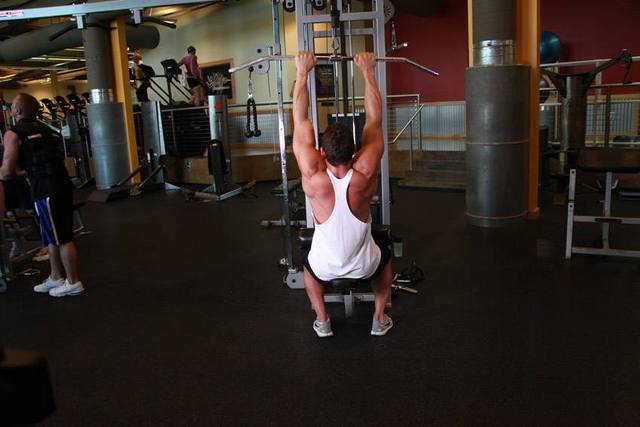 Close-grip lat pulldownLats
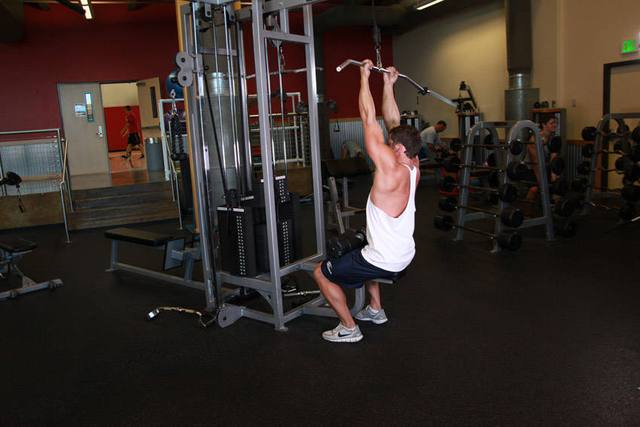 Underhand lat pulldownLats
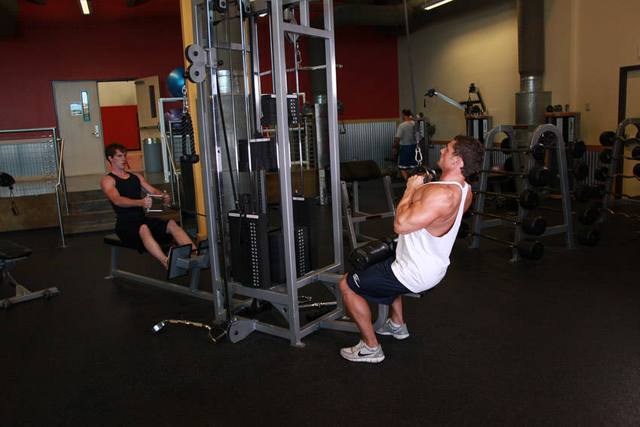 V-bar pulldownLats
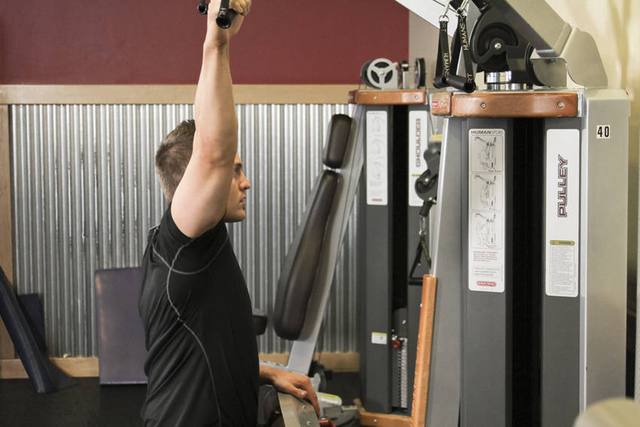 One-arm lat pulldownLats
Questions
What muscles does the pull-up work?
Pull-up mainly works your lats and upper back. It also helps your biceps, forearms, rear shoulders, and abs.
Can I do the pull-up at home?
Yes. You only need your body weight and a little floor space.
How many sets and reps of the pull-up?
To build muscle: 3 to 4 sets of 8 to 12 reps, resting 1 to 2 minutes. To get stronger: 3 to 5 sets of 3 to 6 reps, resting 2 to 3 minutes. For endurance: 2 to 3 sets of 12 to 20 reps, resting under a minute.
Warm up for 5 to 10 minutes first. Stop if something hurts (sharp pain, not effort), and check with a doctor if you have a health condition. Photos: Free Exercise DB (public domain).
JOGO Fuel
Get a training plan built around your goal
Save it, log your meals, get days built around your games and a coach that explains every change. Free, with your JOGO account.
Start free