Body weight
Lying leg raise
Lying leg raise mainly works your abs. It also helps your hip flexors and quads.


Step by step
- Lie on the bench, hands gripping it, legs extended.
- Press your lower back down and raise legs to vertical.
- Lower slowly, stopping before your back arches.
What you should feel
Your lower abs working to lift your legs; your lower back should not arch or hurt.
Common mistake
Arching your lower back as legs lower; bend your knees or stop higher to keep your back flat.
Sets and reps
- To build muscle: 3 to 4 sets of 8 to 12 reps, resting 1 to 2 minutes.
- To get stronger: 3 to 5 sets of 3 to 6 reps, resting 2 to 3 minutes.
- For endurance: 2 to 3 sets of 12 to 20 reps, resting under a minute.
Alternatives for the same muscles
No machine, no barbell, or something hurts? These work the same muscles.
 Pallof pressAbs, Obliques
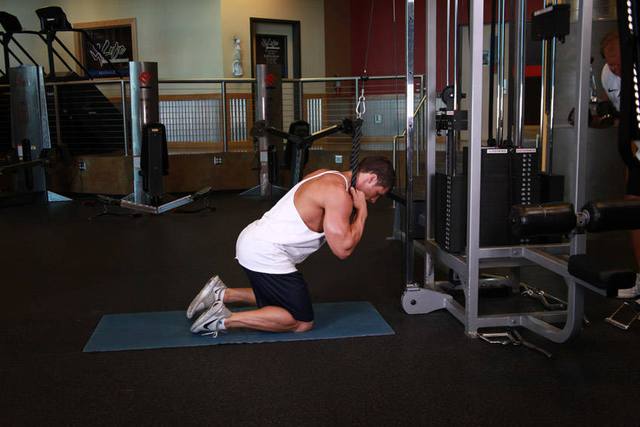 Cable crunchAbs
 Ab crunch machineAbs
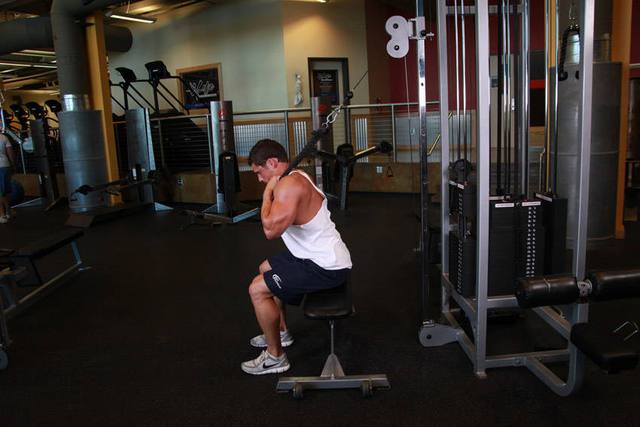 Seated cable crunchAbs
 PlankAbs
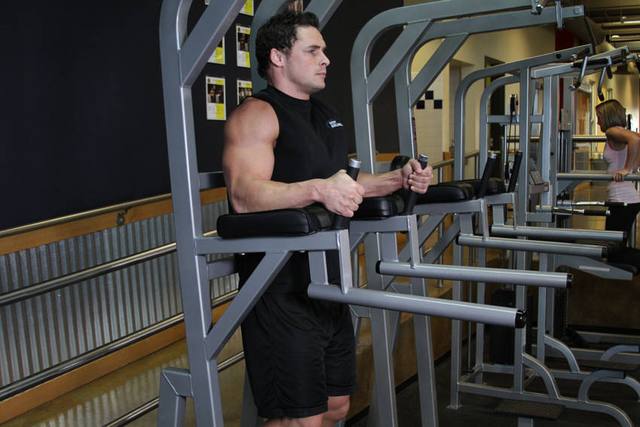 Hanging knee raiseAbs, Hip flexors
Questions
What muscles does the lying leg raise work?
Lying leg raise mainly works your abs. It also helps your hip flexors and quads.
Can I do the lying leg raise at home?
Yes. You only need your body weight and a little floor space.
How many sets and reps of the lying leg raise?
To build muscle: 3 to 4 sets of 8 to 12 reps, resting 1 to 2 minutes. To get stronger: 3 to 5 sets of 3 to 6 reps, resting 2 to 3 minutes. For endurance: 2 to 3 sets of 12 to 20 reps, resting under a minute.
Warm up for 5 to 10 minutes first. Stop if something hurts (sharp pain, not effort), and check with a doctor if you have a health condition. Photos: Free Exercise DB (public domain).
JOGO Fuel
Get a training plan built around your goal
Save it, log your meals, get days built around your games and a coach that explains every change. Free, with your JOGO account.
Start free