Cables
Face pull
Face pull mainly works your rear shoulders and upper back. It also helps your side shoulders.


Step by step
- Set the rope at face height, step back.
- Pull toward your face, elbows high and wide.
- Squeeze your shoulder blades, then return slowly.
What you should feel
A squeeze in the back of your shoulders and between your shoulder blades; your neck should not tense.
Common mistake
Using too much weight and leaning back; go lighter and stand tall.
Sets and reps
- To build muscle: 3 to 4 sets of 8 to 12 reps, resting 1 to 2 minutes.
- To get stronger: 3 to 5 sets of 3 to 6 reps, resting 2 to 3 minutes.
- For endurance: 2 to 3 sets of 12 to 20 reps, resting under a minute.
Alternatives for the same muscles
No machine, no barbell, or something hurts? These work the same muscles.
 Dumbbell rear delt flyRear shoulders
 Band reverse flyRear shoulders
 Band pull apartRear shoulders, Upper back
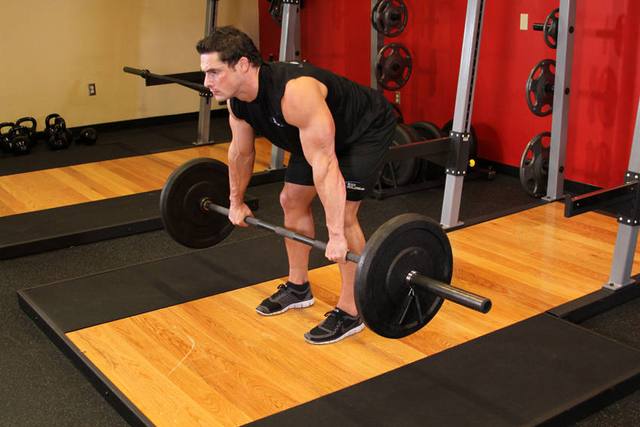 Barbell rear delt rowRear shoulders, Upper back
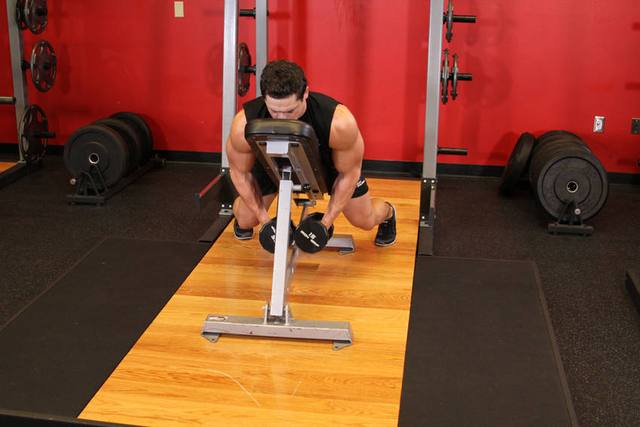 Lying rear lateral raiseRear shoulders
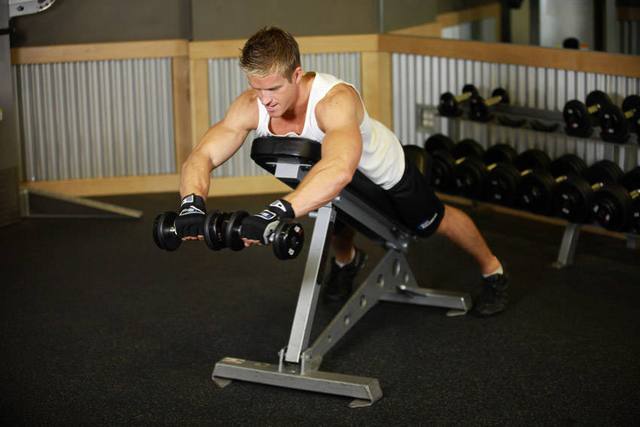 Reverse fly with external rotationRear shoulders
Questions
What muscles does the face pull work?
Face pull mainly works your rear shoulders and upper back. It also helps your side shoulders.
Can I do the face pull at home?
Not easily, it needs this: cables. At home, try instead: dumbbell rear delt fly, band reverse fly, and band pull apart.
How many sets and reps of the face pull?
To build muscle: 3 to 4 sets of 8 to 12 reps, resting 1 to 2 minutes. To get stronger: 3 to 5 sets of 3 to 6 reps, resting 2 to 3 minutes. For endurance: 2 to 3 sets of 12 to 20 reps, resting under a minute.
Warm up for 5 to 10 minutes first. Stop if something hurts (sharp pain, not effort), and check with a doctor if you have a health condition. Photos: Free Exercise DB (public domain).
JOGO Fuel
Get a training plan built around your goal
Save it, log your meals, get days built around your games and a coach that explains every change. Free, with your JOGO account.
Start free