Dumbbells · Isolation
Lying rear lateral raise
Lying rear lateral raise mainly works your rear shoulders. It also helps your upper back and side shoulders.
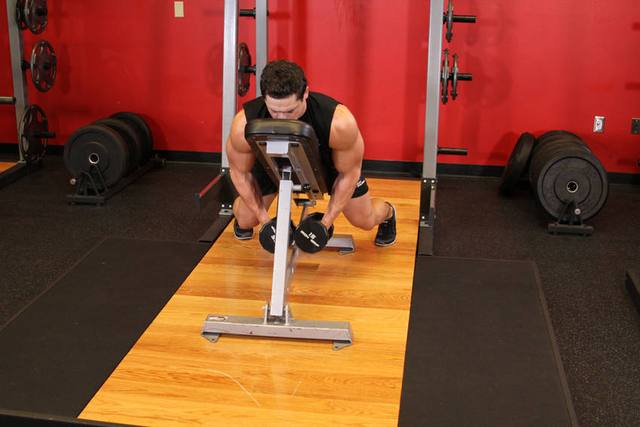
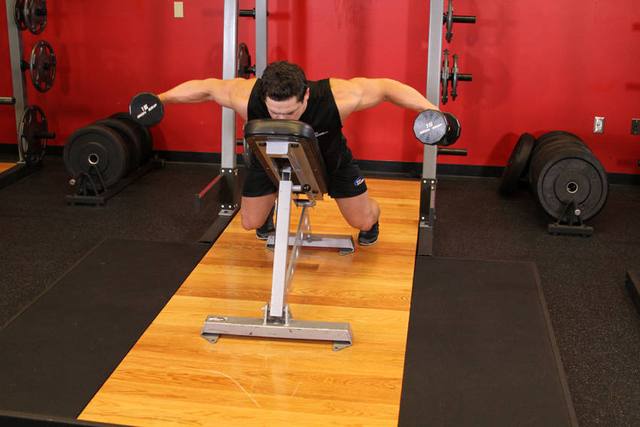
Step by step
- Lie chest down on a slight incline, dumbbells hanging.
- Raise your arms out to the sides, elbows slightly bent.
- Stop at shoulder height, then lower slowly.
What you should feel
A squeeze in the back of your shoulders; your neck and lower back should not feel strained.
Common mistake
Lifting the head and shrugging; keep your neck relaxed and shoulders down.
Sets and reps
- To build muscle: 3 to 4 sets of 8 to 12 reps, resting 1 to 2 minutes.
- It isolates one muscle, so it works best after your bigger lifts, with 10 to 15 reps.
Alternatives for the same muscles
No machine, no barbell, or something hurts? These work the same muscles.
 Face pullRear shoulders, Upper back
 Band reverse flyRear shoulders
 Band pull apartRear shoulders, Upper back
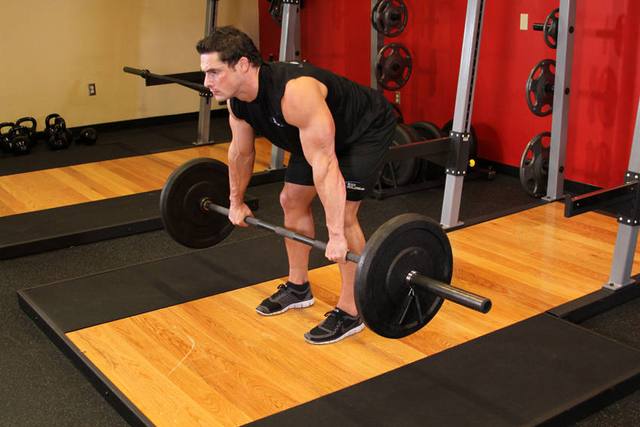 Barbell rear delt rowRear shoulders, Upper back
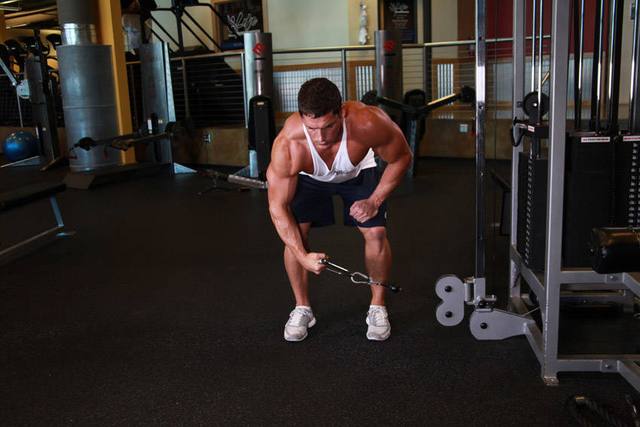 Bent-over low cable rear lateralRear shoulders
 Reverse pec deckRear shoulders
Questions
What muscles does the lying rear lateral raise work?
Lying rear lateral raise mainly works your rear shoulders. It also helps your upper back and side shoulders.
Can I do the lying rear lateral raise at home?
Yes, if you have this at home: dumbbells.
How many sets and reps of the lying rear lateral raise?
To build muscle: 3 to 4 sets of 8 to 12 reps, resting 1 to 2 minutes. It isolates one muscle, so it works best after your bigger lifts, with 10 to 15 reps.
Warm up for 5 to 10 minutes first. Stop if something hurts (sharp pain, not effort), and check with a doctor if you have a health condition. Photos: Free Exercise DB (public domain).
JOGO Fuel
Get a training plan built around your goal
Save it, log your meals, get days built around your games and a coach that explains every change. Free, with your JOGO account.
Start free